Understanding TMS for OCD
Obsessive-compulsive disorder affects millions of Australians, often creating cycles of anxiety and repetitive behaviour that can be difficult to break with medication or therapy alone. Transcranial Magnetic Stimulation (TMS) offers a non-invasive, drug-free approach that directly targets the brain regions involved in OCD. If you are exploring tms for ocd, having a clear set of questions ready can make your consultation far more productive. Knowing what to ask helps you evaluate whether a clinic's approach aligns with your needs and expectations. Below are five essential questions to guide your conversation.
Questions About How TMS Works
How Does TMS Specifically Target OCD Symptoms?
TMS works by delivering magnetic pulses to the prefrontal cortex, an area of the brain that regulates thought patterns and behaviour. For OCD, the goal is to modulate the activity in circuits that are often overactive, such as the cortico-striato-thalamo-cortical (CSTC) loop. A reputable provider should be able to explain how their specific protocol—whether it targets the dorsomedial prefrontal cortex or another region—is designed to address your symptoms. The International OCD Foundation offers a wealth of information on how brain stimulation therapies are being researched and applied for OCD.
What Is a Typical Treatment Schedule?
Consistency is key to TMS therapy. Most evidence-based protocols require daily sessions, five days a week, for a period of four to six weeks. Ask your provider about the length of each session, the total number of sessions recommended, and what happens if you miss a day. Understanding the time commitment upfront helps you plan your schedule and ensures you can adhere to the full course of treatment, which is critical for achieving the best possible outcome.
Questions About the Clinical Team
What Are the Qualifications of the Practitioners?
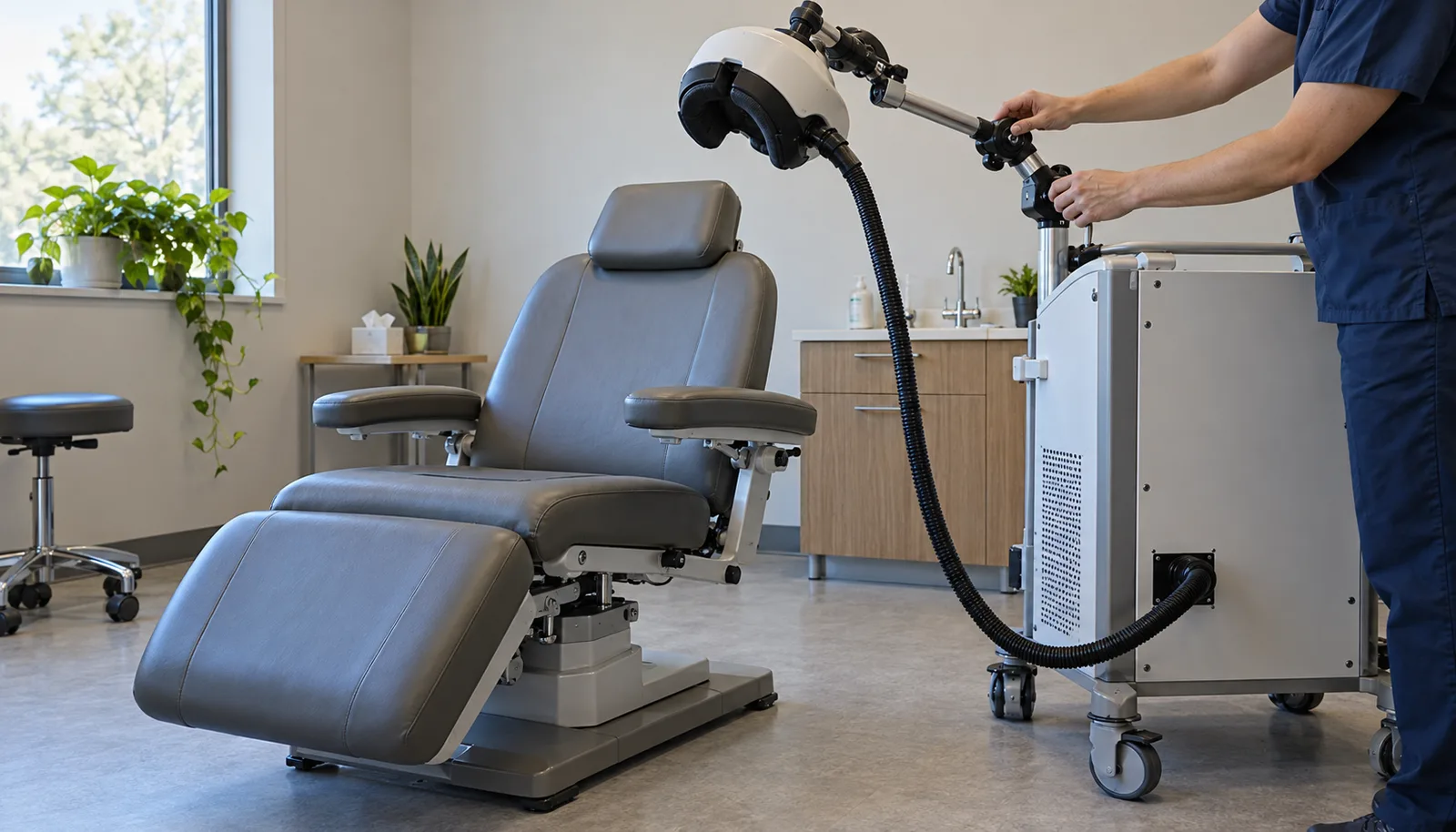
TMS is a medical procedure, and the expertise of the team delivering it matters greatly. Ask whether the treatment is overseen by a psychiatrist or a medical doctor with specific training in TMS. The clinicians should be able to discuss your case in the context of your overall mental health, not just the technical aspects of the machine. In Australia, you can verify a practitioner's credentials through the Australian Health Practitioner Regulation Agency (AHPRA). A multidisciplinary team that includes psychiatrists, nurses, and mental health clinicians offers the most comprehensive care.
How Is the Treatment Plan Personalised?
A one-size-fits-all approach rarely works for OCD. The best TMS clinics conduct a thorough initial assessment that includes a psychiatric evaluation, a review of your medical history, and often a brain mapping session to determine the precise placement of the magnetic coil. At Neuralia TMS, we combine TMS with other evidence-based tools, such as pharmacogenetic testing, to gain a deeper understanding of how your body processes medications. This allows us to tailor your entire treatment plan, not just the TMS protocol itself. Personalisation also extends to how the team supports you during the sessions, helping you manage any discomfort or anxiety.
- Legal name: The Trustee for Neuralia TMS Service Trust · ABN Lookup
Asking the right questions is the first step toward a successful TMS experience for OCD.
Questions About Results and Follow-Up
What Results Can I Realistically Expect, and What Is the Timeline?
TMS is a highly effective treatment for many people with OCD, but results vary. A responsible provider will discuss the evidence base honestly, including the percentage of patients who respond well and the typical timeline for improvement. Some patients notice a reduction in intrusive thoughts within the first few weeks, while others require the full treatment course to see significant change. It is also important to ask about maintenance sessions and long-term follow-up. How will the clinic track your progress? What is the plan if symptoms return after the initial series? A review of research on TMS for OCD highlights that sustained improvement often depends on continued monitoring and occasional booster sessions.
Taking the Next Step
Choosing to pursue TMS for OCD is a significant decision. Arming yourself with these five questions will help you feel confident in your choice of provider and your treatment plan. At Neuralia TMS, we are dedicated to providing clear, evidence-based answers and compassionate care. Located in Moonee Ponds, our team is here to guide you through every step of the process, from your initial consultation to your final session and beyond.